
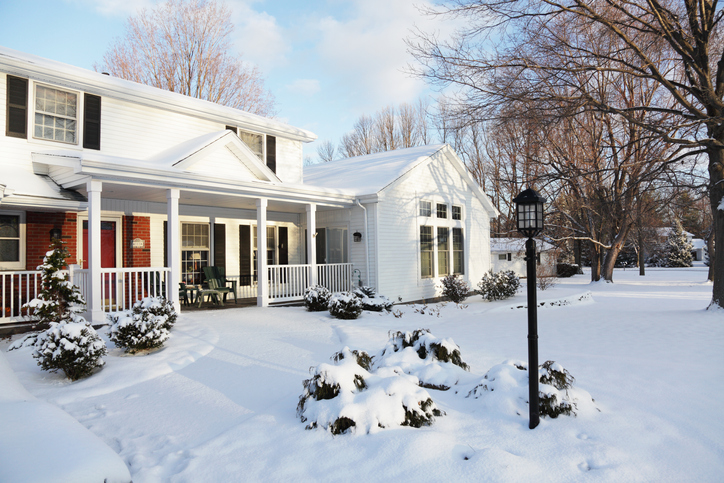
Late winter damage can be tough on your landscape. February in the Lehigh Valley often brings a mix of snow, ice, freezing temperatures, and sudden thaws that can quietly damage lawns, plants, and hardscaping. While spring may feel far away, what happens to your yard right now can have a big impact on how it looks and performs once warmer weather arrives.
Knowing what to watch for and how to protect your outdoor space during late winter can save you time, money, and frustration when spring finally rolls around.
Why Late Winter Is Hard on Landscapes
Late winter is unpredictable. One week your yard is frozen solid, the next it’s dealing with melting snow and soggy ground. These freeze-thaw cycles put stress on turf, plants, and hardscape features.
In areas like Orefield, Allentown, and across the Lehigh Valley, homeowners often see winter damage from compacted snow, excess moisture, and fluctuating temperatures. Even though your landscape may look dormant, it’s still vulnerable beneath the surface.
Common Types of Late Winter Landscape Winter Damage
Lawns can suffer from snow mold, soil compaction, and weakened root systems. Heavy snow piles and foot traffic compress turf, making it harder for grass to bounce back in spring.
Plants and shrubs may experience broken branches from snow weight or damage caused by ice buildup. Freeze-thaw cycles can also push shallow-rooted plants out of the soil, leaving roots exposed.
Hardscaping isn’t immune either. Patios, walkways, and retaining walls can shift slightly due to frost heave, especially if drainage issues are present. These small movements can turn into bigger problems if left unaddressed.
How to Protect Your Lawn Before Spring
One of the simplest ways to protect your lawn is to limit foot traffic when possible. Walking on frozen or snow-covered grass can crush blades and compact soil underneath.
Avoid piling snow in the same areas repeatedly, especially on lawns or near plant beds. When snow melts, those areas can become oversaturated, leading to turf damage and drainage problems.
Late winter is also a good time to plan early spring lawn care. Having a strategy in place ensures your lawn gets what it needs as soon as conditions allow.
Protecting Plants, Trees, and Shrubs
Gently remove heavy snow from shrubs using a broom, brushing upward to avoid snapping branches. Never shake frozen branches, as they’re more likely to break.
Check around the base of plants for exposed roots caused by frost heave. If you notice roots pushing up, lightly covering them with mulch once temperatures stabilize can help protect them until spring maintenance begins.
Salt damage is another concern this time of year. Snow melt mixed with de-icing products can harm nearby plants. Rinsing areas when weather allows and planning protective barriers for next winter can reduce long-term damage.
Watching for Drainage and Hardscape Issues
Late winter melting often reveals drainage problems that go unnoticed during other seasons. Standing water near patios, walkways, or foundations is a sign that grading or drainage adjustments may be needed.
Hardscapes should be inspected for movement or uneven areas. Small shifts now can be addressed more easily than waiting until they worsen. Identifying these issues in February helps you plan timely repairs before peak spring scheduling.
Why Professional Help Makes a Difference
Late winter damage isn’t always obvious. A professional landscape evaluation can identify problem areas early and prevent small issues from turning into costly repairs.
Pennsylvania Lawn & Landscape works with homeowners throughout Orefield and the greater Lehigh Valley to protect landscapes year-round. From lawn care planning to drainage solutions and hardscape inspections, proactive care now leads to better results later.
Get Your Landscape Ready for Spring
Protecting your landscape in late winter sets the stage for a healthier, better-looking yard in spring. Taking action now means fewer surprises and smoother transitions once warmer weather arrives.
If you’re concerned about winter damage or want to start planning for spring, contact Pennsylvania Lawn & Landscape today. Our team can help assess your property, address problem areas, and make sure your outdoor space is ready to thrive when spring returns.

